Antique Dr Weaver’s Cerate Providence RI / New London CT Open Pontil Bottle
Check the listing for details.







| Location | Freeport US |
| Shipping | Free shipping (check listing for details) |
| Seller |
cosmic_goods
99.9% positive · 5028 feedback
|
| Listing | FixedPrice · Active |
| Start time | 2026-03-16T17:38:53.000Z |
| Bottle Type | Medicines & Cures |
| Country of Origin | United States |
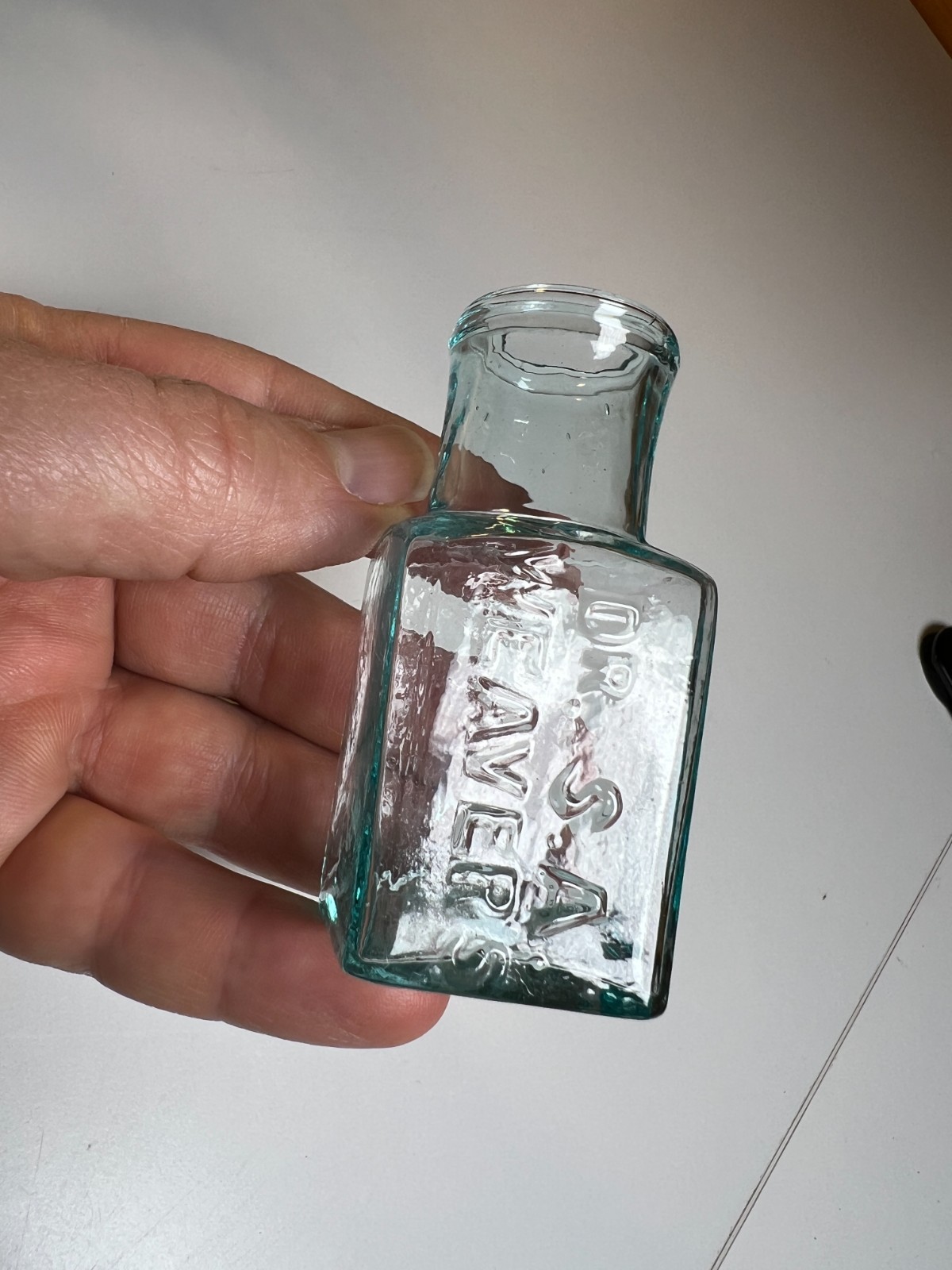
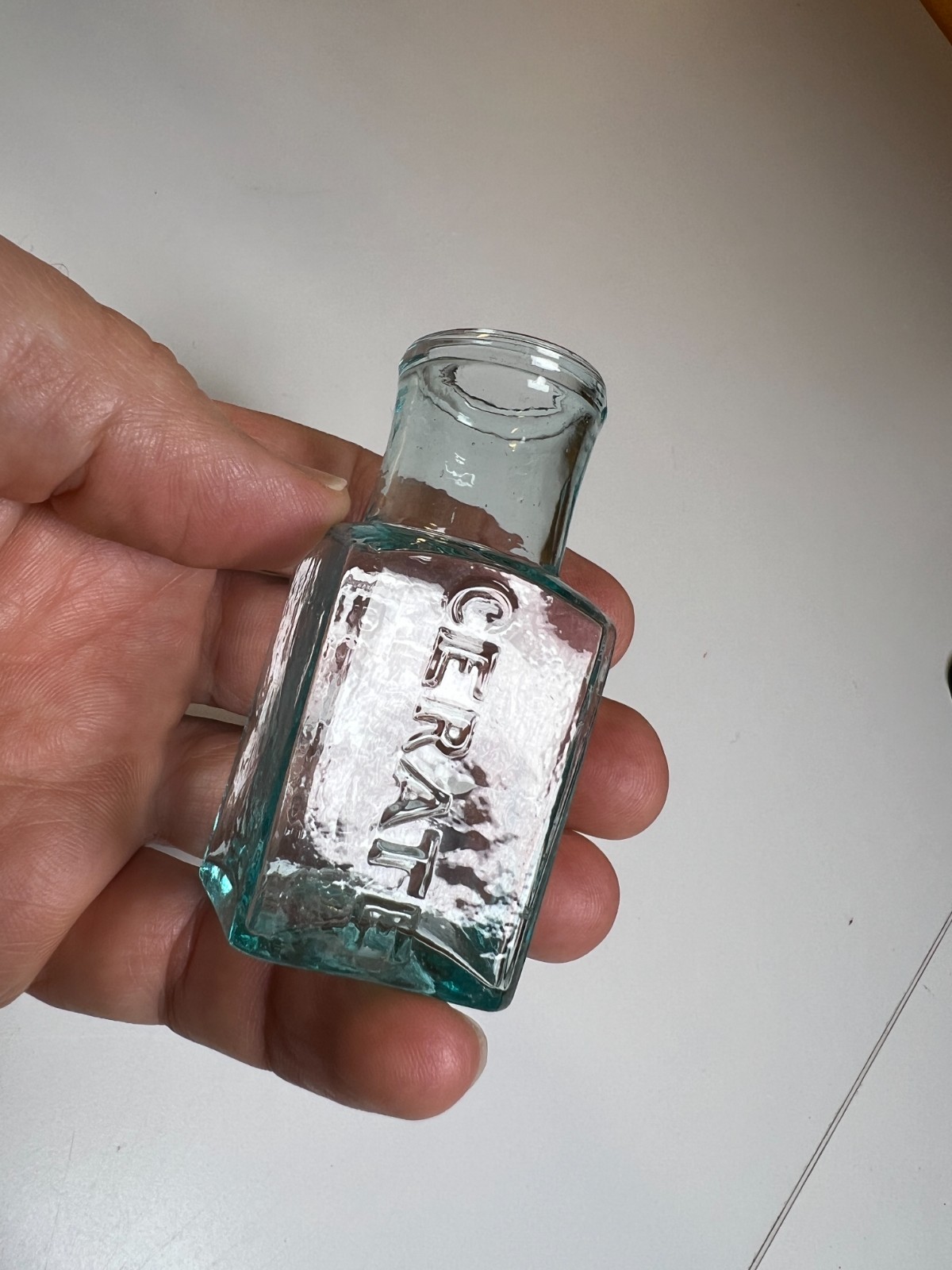
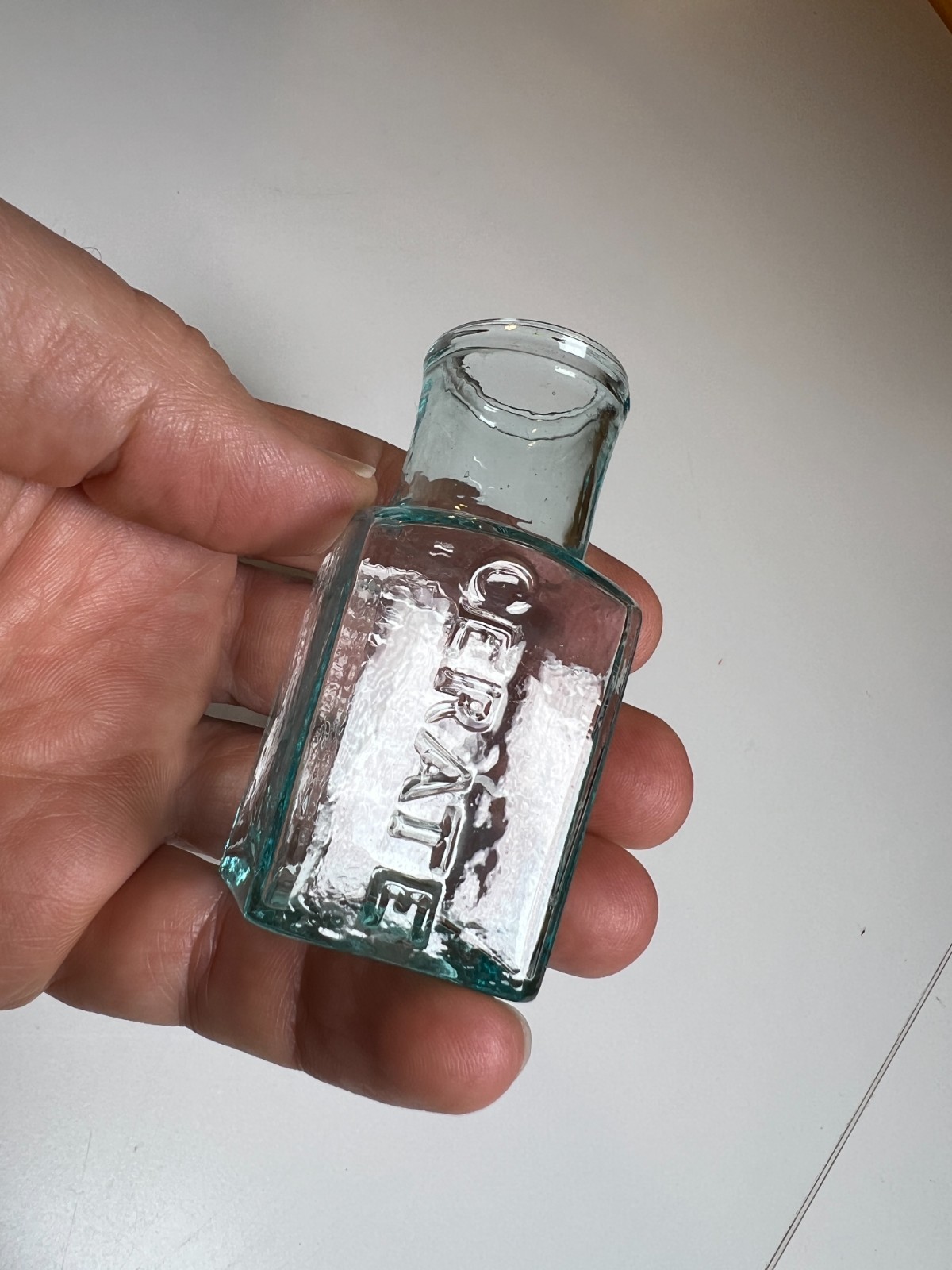
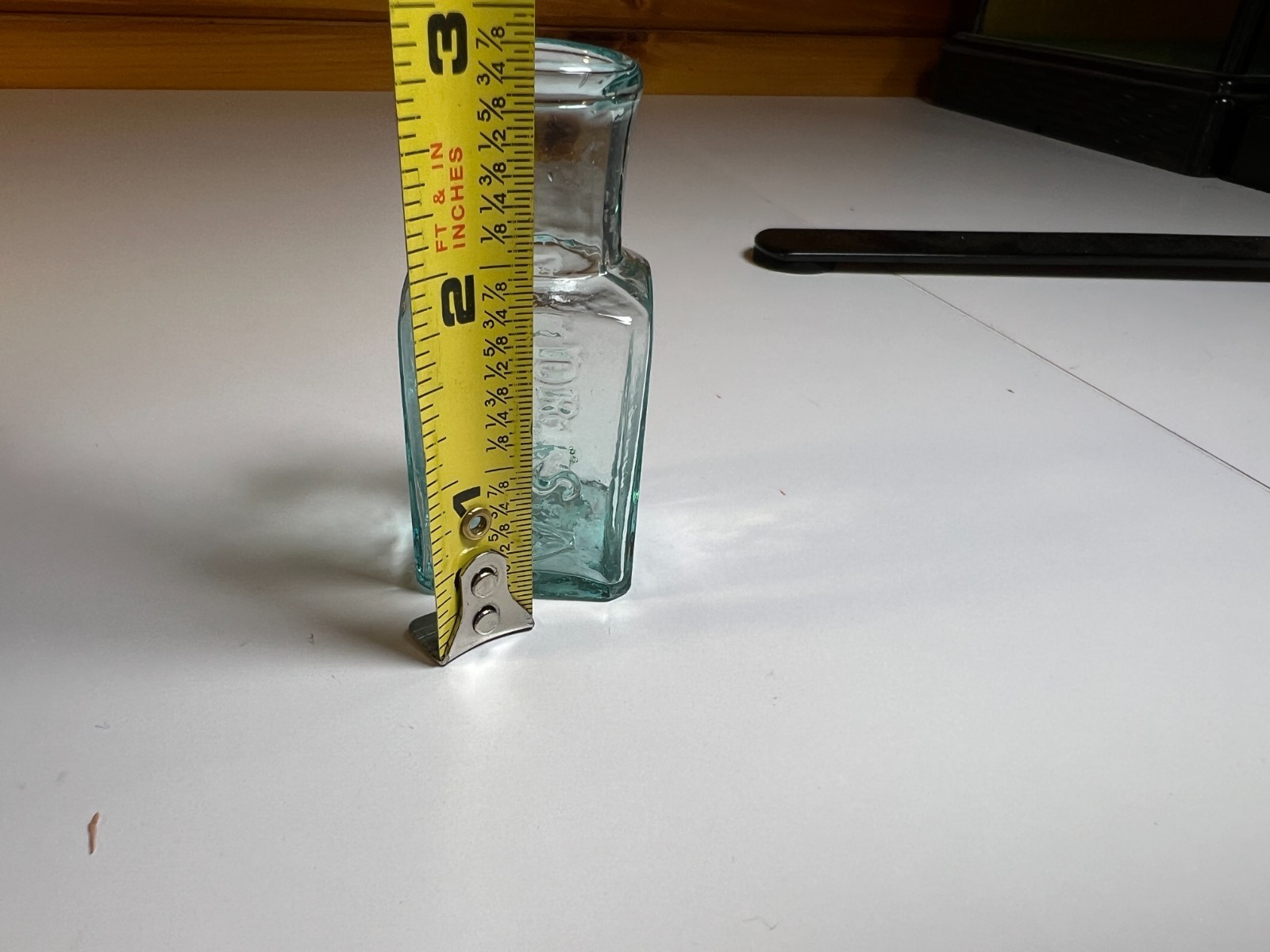
1845–1855 Dr S A Weaver’s Cerate Providence Rhode Island New London CT Open Pontil Medicine Bottle Description Offered here is a scarce and very early pontiled American patent medicine bottle embossed: DR. S. A. WEAVER’S CERATE This small square example dates to approximately 1845–1855, a formative period in American medicine when physicians commonly sold their own proprietary remedies. The bottle is beautifully crude and clearly shows the character of early hand-blown New England glass. The bottle was associated with Dr. Sterry Arnold Weaver, a physician practicing in Providence, Rhode Island in the late 1840s. Weaver advertised several remedies including salves and syrups for skin diseases and inflammatory conditions. His cerate would have been a wax-based medicinal ointment made from beeswax and oils and used for burns, wounds, ulcers, chapped skin, and infections. Historical research indicates that Weaver’s remedies were later manufactured and distributed from New London, Connecticut, making this bottle part of the early regional patent-medicine trade of coastal New England. The Bottle This example is a wonderful piece of early American glassmaking: Color: attractive sky-blue aqua Form: small square patent medicine bottle with beveled corners Embossing: bold and slightly irregular on two panels Manufacture: mold-blown and hand finished Lip: crude, hand-tooled outward rolled finish Base: slightly domed with a clear open pontil scar The glass shows beautiful early characteristics collectors prize: strong whittling and waviness suspended seed bubbles uneven hand-formed panels excellent early glass character These features clearly place the bottle in the pre-Civil War pontiled era of American glassmaking. Condition A superb example. No chips No cracks No open bubbles No potstone damage No distracting scratches or staining The bottle is bright, clean, and displays beautifully. A truly excellent survivor from the early patent-medicine period. Historical Context – Life in America When This Bottle Was Made This bottle was produced during the 1840s–1850s, a remarkable transitional period in American history. Technology: Glass bottles like this were still made entirely by hand. A gather of molten glass was blown into a mold, then attached to a pontil rod so the lip could be finished. Railroads were rapidly expanding across the United States, steamships dominated coastal travel, and the telegraph—introduced in the 1840s—was beginning to connect cities with instant communication for the first time. Medicine: Scientific medicine was still developing. Germ theory had not yet been accepted, and most treatments relied on herbal preparations, alcohol extracts, wax salves, and botanical remedies. Physicians commonly created and marketed their own formulas, and small embossed bottles like this were sold through local doctors’ offices and apothecaries. Politics and Society: The United States was expanding westward during the era of Manifest Destiny. Major national debates centered on slavery and states’ rights, tensions that would ultimately lead to the Civil War a decade later. Coastal cities like Providence and New London were thriving maritime centers involved in shipping, trade, and early industrial manufacturing. Holding a bottle like this is holding a small artifact from a time when American industry, medicine, and society were rapidly changing. Collector Interest & Value Embossed pontiled doctor medicines from New England are highly sought after by collectors because they combine: early manufacture regional medical history crude pre-Civil War glass Examples of Dr. S. A. Weaver’s Cerate are considered scarce, particularly in this strong condition.